

In 2025, Italy’s beverage industry shows mixed results: grappa output down, ready-to-drink on the rise. Here are the key figures from AssoDistil’s annual report, outlining both the current picture and the trends ahead.
AssoDistil’s View of Distillation in Italy
The 2025 annual report by AssoDistil—which represents about 95% of national production of ethyl alcohol and agricultural-based spirits—portrays a sector that remains solid amid change. Inflation, new consumption habits, and international competitive pressure set the scene, yet Italy’s distilling industry still holds its ground while revealing a few weak spots. Based on Istat, Nomisma, and Eurostat sources, the data capture a field in search of new balance among quality, sustainability, and strategic vision.
An Industry Under Pressure
Despite geopolitical uncertainty and shifting macroeconomics, Italian production in 2024 maintained what the report calls “honest” margins, aided by investment in renewables and the valorisation of residual supply chains. A circular, sustainable approach is one of the winning cards for Italian distilleries, which look to the future with a focus on quality, bolder strategies, and stronger promotion.
Global and National Output: Figures and Signals
Worldwide production of agricultural-origin alcohol reached 1.349 billion hectolitres of pure alcohol (+2%). The United States and Brazil remain the leading players, while Europe totals 90 million. Italy contributes 1,032,000 hectolitres, essentially unchanged from 2023. Notable declines include alcohol from wine (-30%) and from fruit (-66%), the result of a particularly poor harvest.
Grappa PGI: Output Falls, New Strategies Needed
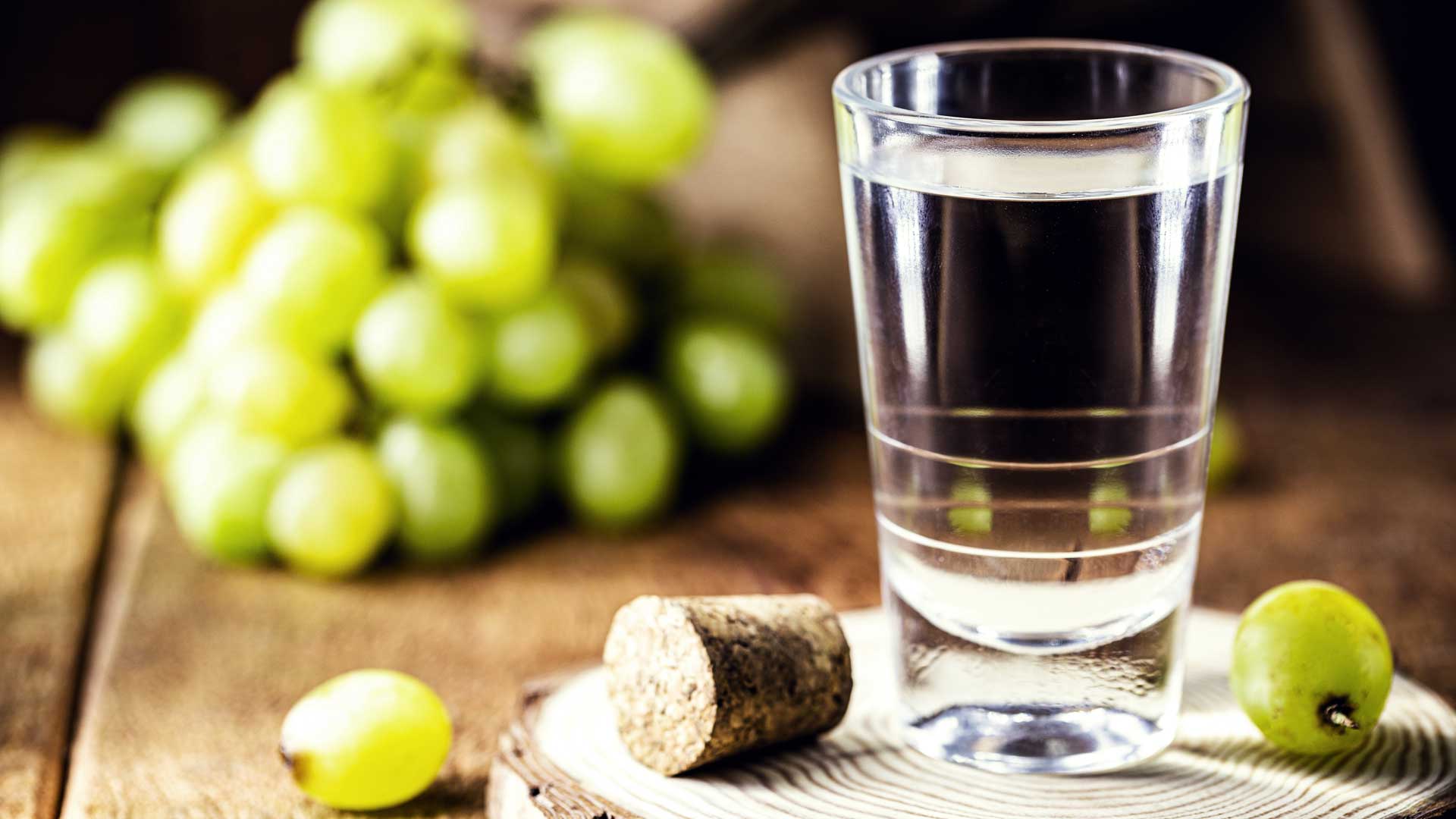
In 2024, Grappa PGI fell to 74,000 hectolitres (-8%). Exports of this emblem of Italian craft also slipped, down 12% by volume. Germany remains the main market (60% of bottled exports), but competition and generational change demand fresh thinking—mixology can play a role in the relaunch.
Shifts in Consumption: Gin Leads, No-Lo Grows
Nomisma data show overall spirits consumption in Italy down 9% between 2019 and 2024. Meditation styles (grappa, brandy, cognac) are in decline, while mixable categories advance. Gin is up 25% over five years, ready-to-drink +34%, and no/low-alcohol products +49.7%. Liqueurs remain the top choice, driven by out-of-home consumption (56% of the total).
Distillation in Italy: Exports Hold, Competition Bites
In 2024, Italian spirits exports reached €1.75 billion (+5% versus 2023). Germany leads destinations (21% of the total), followed by the United States and the United Kingdom. Whisky grows (+37% by value), while grappa and gin slip (-8%). Imports of ethanol into Italy continue to rise, especially from Spain, Pakistan, and Hungary—an issue that concerns operators, particularly in light of GSP+ trade preferences for Pakistan
Promotion Abroad: Focus on Germany and China
On the promotional front, the National Grappa Consortium strengthened its presence at Bar Convent Berlin, while the EU-backed Discover Italian Brandy project revived activity in China with more than 450 events, 2,000 trainings, and 14 million contacts. The aim is to bolster the international standing of Italian distillates by leaning on authenticity, heritage, and sustainability.
Road Ahead for Distillation in Italy: Bioethanol and Sustainability
The distilling industry looks increasingly to bioethanol, pushed by European policies on renewables and transport decarbonisation. AssoDistil calls on the European Commission to suspend customs preferences for Pakistan to protect the EU ethanol market. Meanwhile, new rules on wine dealcoholisation open a double horizon: opportunities for biofuels, but also risks for the market in aged spirits.