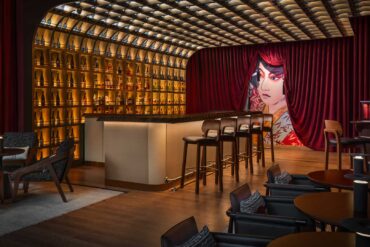

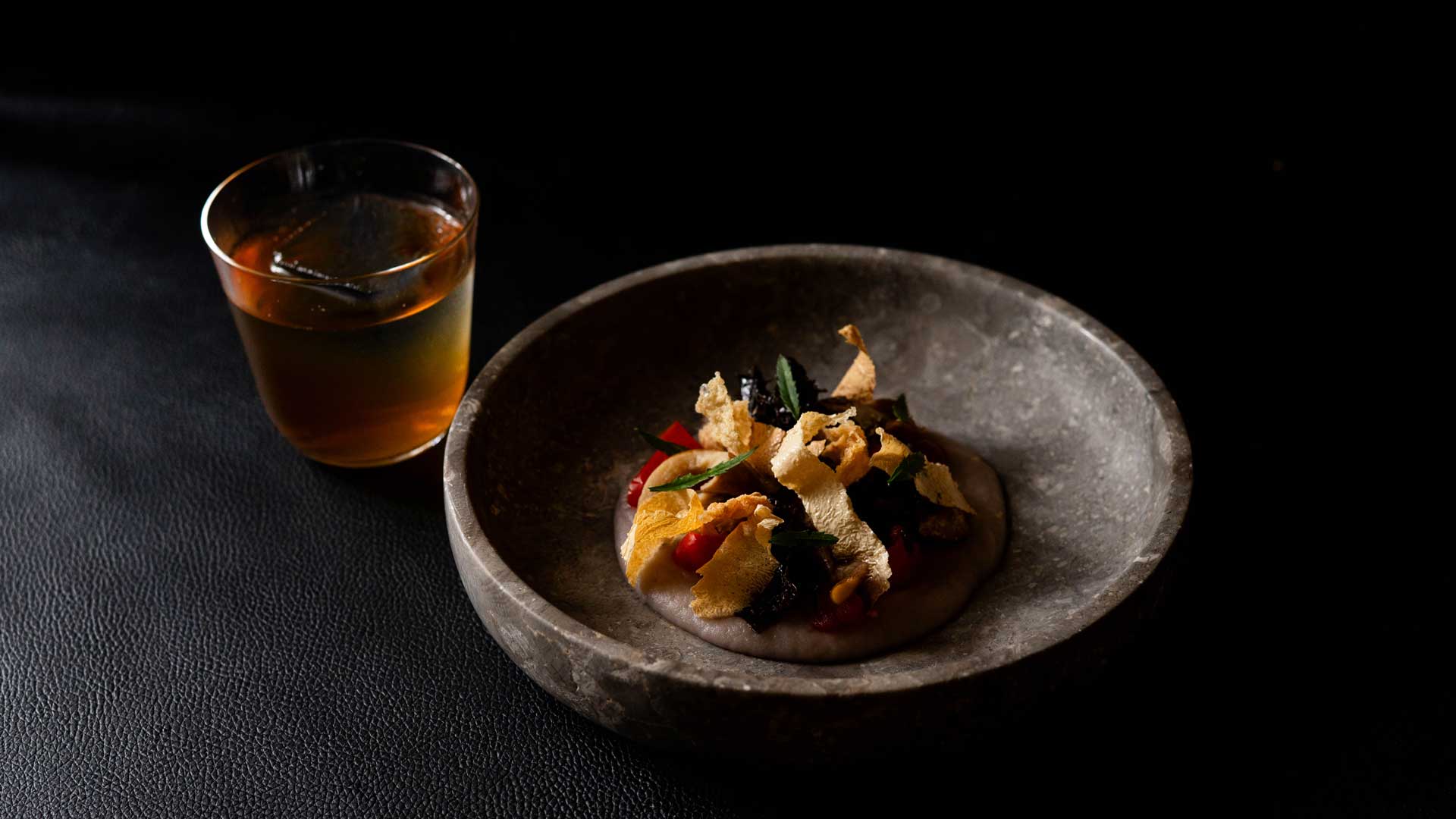
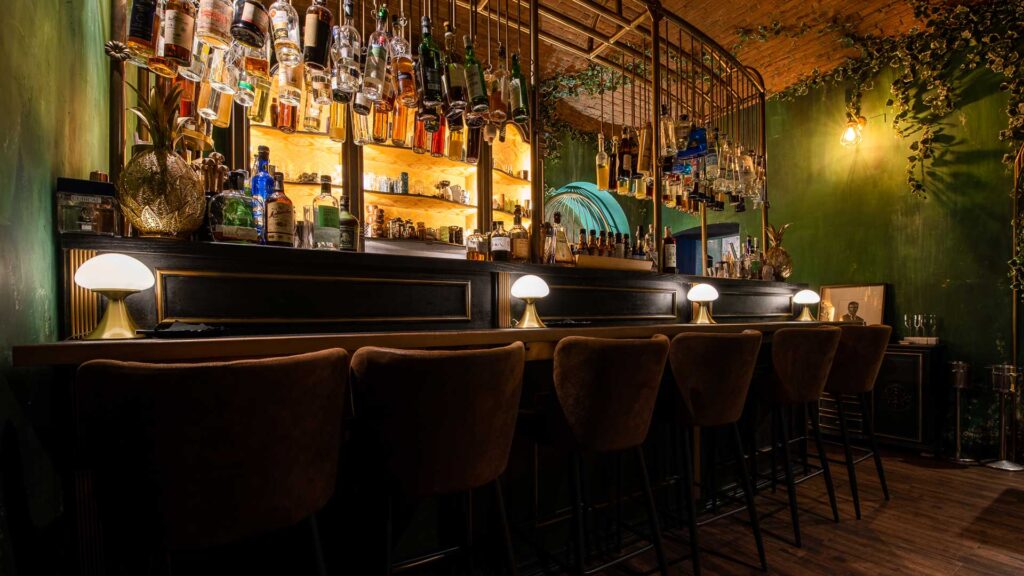
There is a new reason to head to Turin and visit Azotea, the cocktail-restaurant known for its nikkei identity: the tasting menu called Jidai. Six courses and six drinks designed to “retrace the gastronomic evolution of the Japanese people, through history, technique and nikkei influences.”
Jidai Is a Tribute to the Culinary Story of Japan

Under chef Alexander Robles, Azotea has become a reference point for nikkei cuisine—the meeting ground between Peruvian and Japanese food culture.
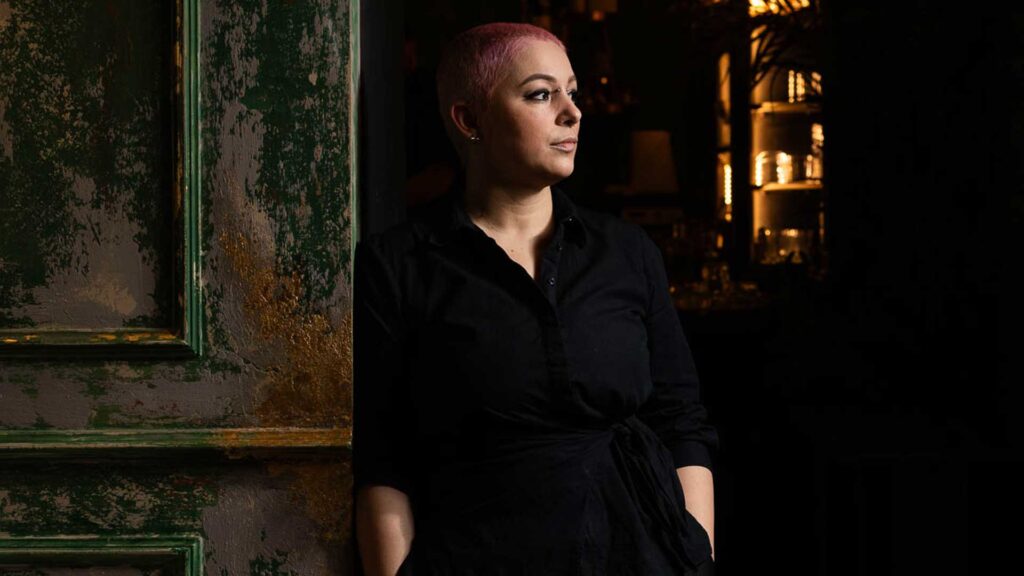
Until now, the balance between the two often leaned toward Peru. It was time to shift focus. “This time we decided to concentrate on Japan, one of the two souls of nikkei culture,” says co-founder and front-of-house manager Noemi Dell’Agnello. “Until now it has remained in the background, overshadowed by Peru. We wanted to bring it to the forefront with a menu that is taste, playfulness, and above all culture.” A vegetarian version is already available, along with a choice between alcoholic and alcohol-free pairings created by bartender Matteo Fornaro.
Six Courses (and Six Drinks) in the New Menu
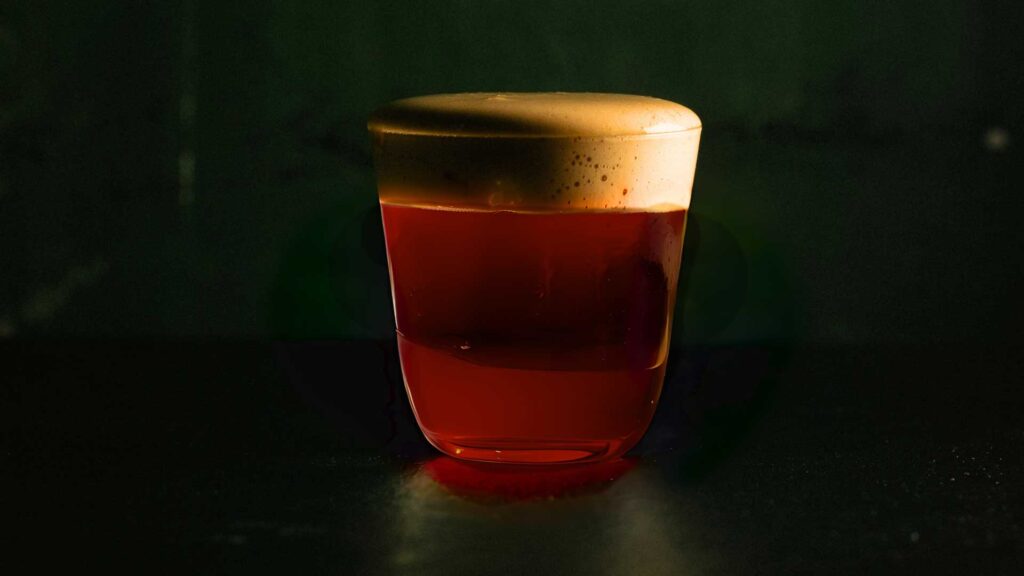
Jidai follows a chronological thread, retracing different moments in Japanese history. The experience opens with the Jōmon period (10,000 BC – 300 BC). The dish is a warm, steamed pudding of vegetable dashi, snails, spinach and ankake sauce (the vegetarian version omits the snails). The drink is Granada: the alcohol-free pairing uses artichoke and pomegranate; the alcoholic pairing adds sherry and sake.
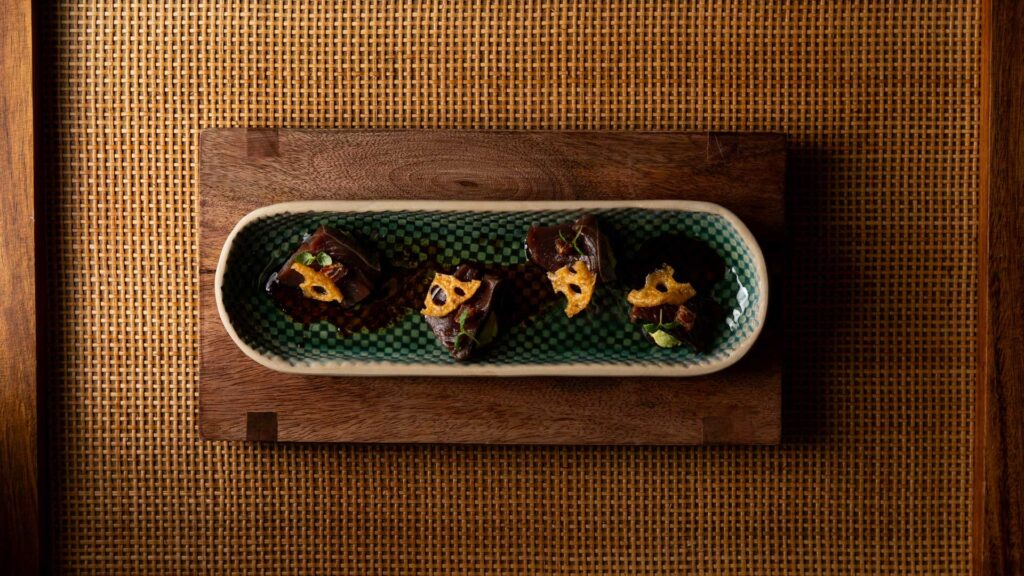
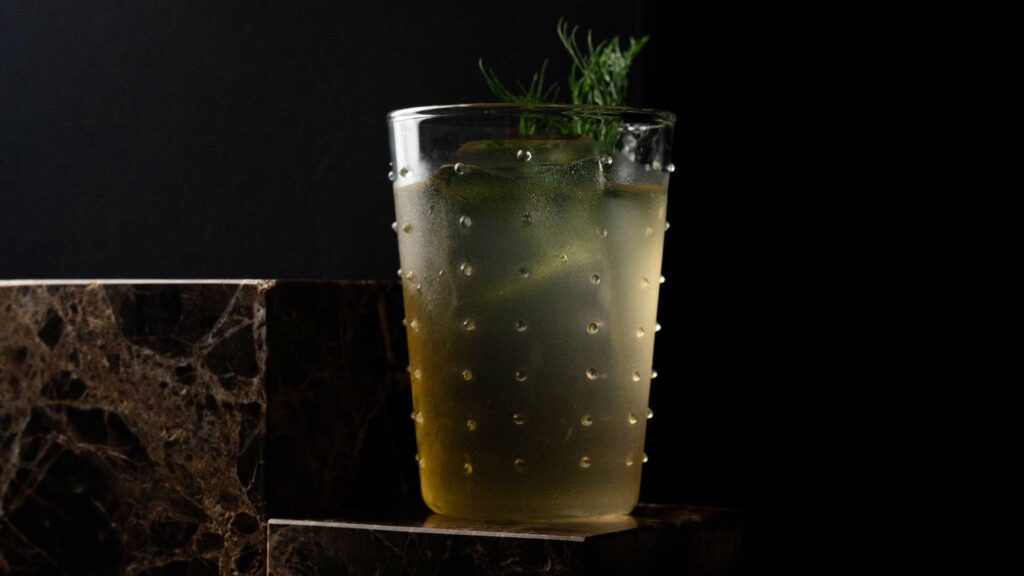
The second course tells another chapter of prehistoric Japan: the Yayoi period (300 BC – 250 AD). Here the kitchen serves alletterato tuna with shiokara sauce (soy and fermented fish entrails), hoshigaki (dried persimmon), lotus root and edamame cream. The vegetarian dish is made with potato, aji amarillo, mango, cucumber, chicory, sriracha mayo and wakame. The pairing is Fennel—mezcal in the alcoholic version, plus sweet-and-sour fennel, apple and house bitter.
From the Nara Era to Kamakura
Next comes the Nara period (710 – 794 AD), representing classical Japan. In the dish: kimchi extract, cooked aji, taro, prickly pear, dragon fruit, sachatomate and seasonal vegetables. In the glass: Blanco, a mix of bourbon, white melon, coconut milk and Japanese green curry. The alcohol-free version removes the whiskey.
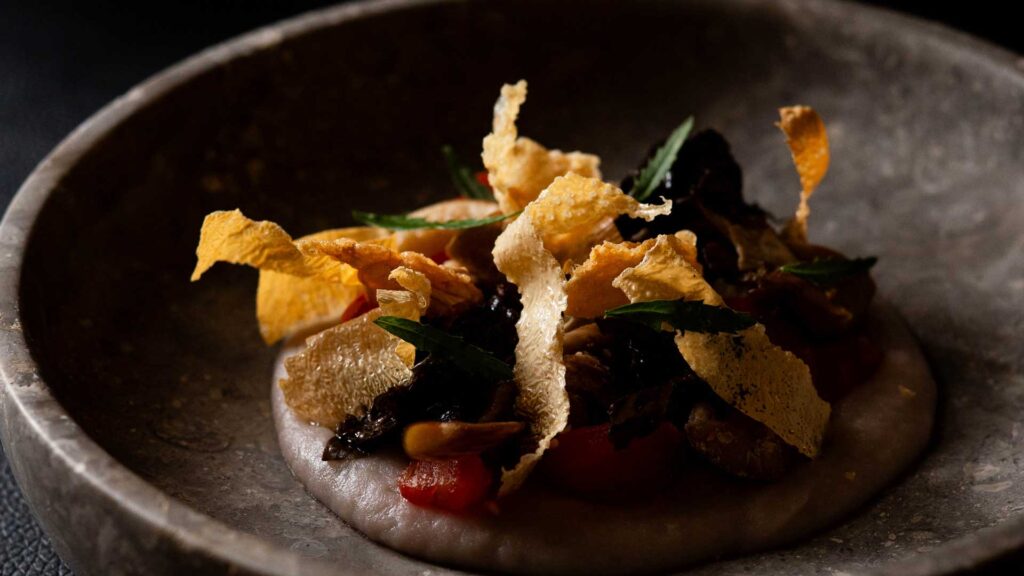
After Nara, Jidai enters medieval Japan, divided into two phases. The first is Kamakura (1185 – 1336), represented by a parmentier of purple potatoes and leeks, crisp yuba, sautéed shiitake, chestnuts, fermented tomatoes and sea lettuce—a dish that is already vegetarian. With it come two drinks: the alcoholic Hongo, with sherry, rum, verjus, porcini and milk; and Panela, the non-alcoholic version, prepared with panela, lime, star anise and passion fruit.
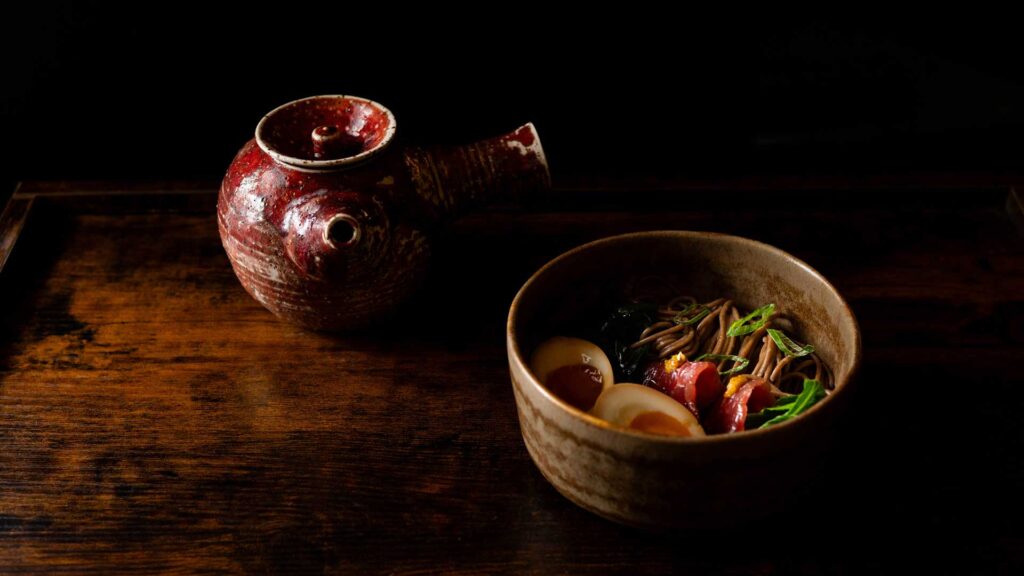
The second medieval period is Muromachi (1336 – 1573). Two dishes return here, depending on preference. The traditional version features shoyu ramen, buckwheat noodles, tamago, corned beef, dashi, scallion, kombu, miso, bok choy and yuzu kosho. The vegetarian alternative includes rice noodles, ocopa cream, black botija olive crumble and seasonal vegetables. The pairing is Nobody Bloody—gin, vermouth, ginger, grapefruit and sweet-and-sour tomato, or a zero-alcohol version with non-alcoholic gin.
Final Chapter of Jidai
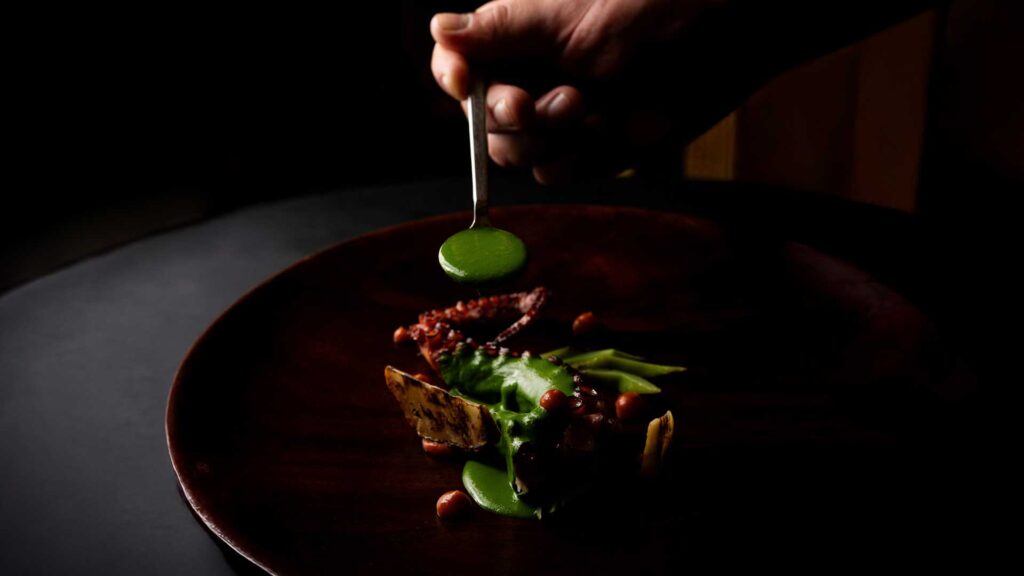
The sixth and final stage pays tribute to Edo (1603 – 1868), part of Japan’s premodern era. The dish is char-grilled amberjack glazed with miso, served with turnip tops, daikon, carrots and toasted sesame. The vegetarian plate includes turnip tops, daikon, carrots, toasted sesame crisps, arroz verde and miso. The last drink is Cactus y Manzanilla: the alcohol-free pairing uses chilli liqueur (zero ABV), lychee and chamomile soda; the alcoholic version adds amaro and the house spiced liqueur.
Images courtesy of Azotea