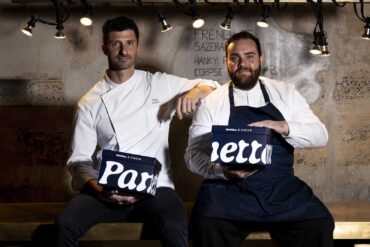


In September 2025, Little Red Door, the celebrated cocktail bar from Paris, unveiled its new drink list. The name is AgriCulture, an evolution of the farm-to-table idea. In the Marais stands a small red door. Since 2012 it has opened onto Little Red Door, a space inspired by Prohibition-era speakeasies and a benchmark for quality drinking in Paris, now under new ownership.
From Farm-to-Table to AgriCulture
The team at Little Red Door was among the first to work with a farm-to-table philosophy: a short—ideally ultra-short—supply chain linking local producers directly to the bar to guarantee fresh, seasonal, high-quality, and sustainable ingredients. Think citrus, herbs, spices, vegetables, all sourced from French growers as close to Paris as possible.
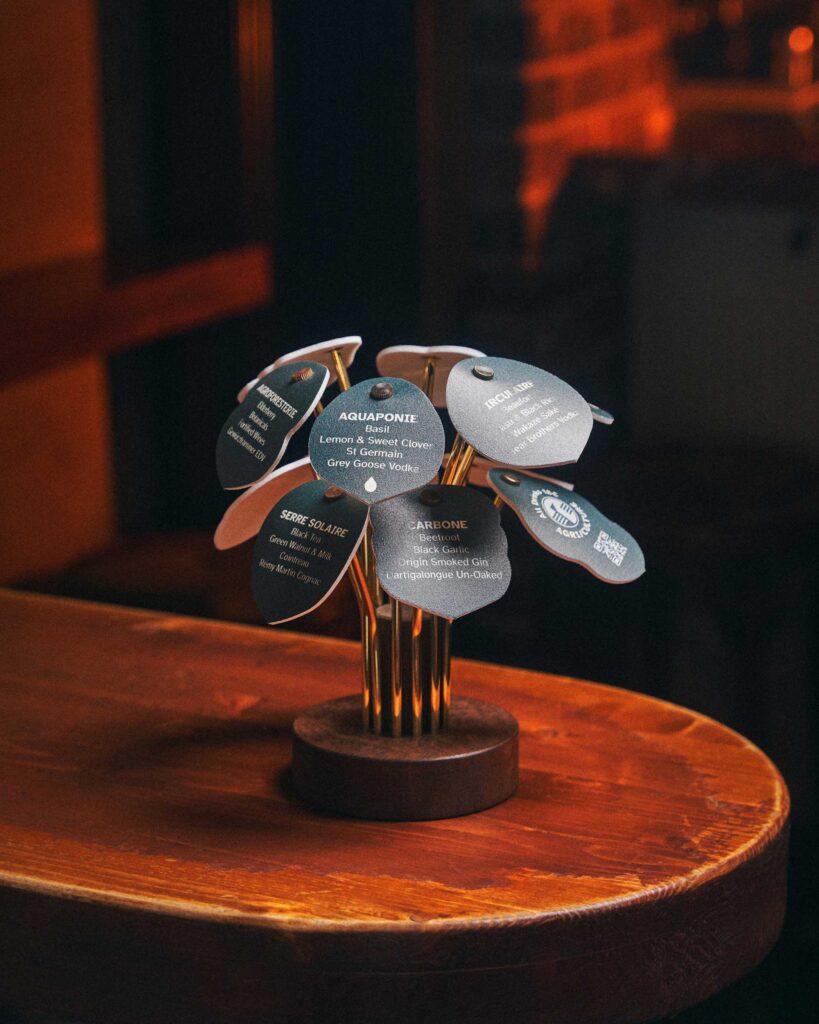
The next step led to AgriCulture, a celebration of agricultural methods aimed at a sustainable future. The list presents eleven new drinks, each one inspired by a specific way of working with the environment to produce food: permaculture, aquaponics, agroforestry, among other practices that safeguard natural resources.
Each cocktail places the spotlight on one ingredient that clearly represents a given agricultural philosophy. The goal is to translate that approach into a liquid experience and, in doing so, show guests what the future of agriculture could look like.
AgriCulture as a Lens On Society
Hyacinthe Lescoët, co-owner since summer 2024 together with Hugo Gallou, explains: “We worked closely with producers and farmers across France to highlight their practices and weave their stories into our cocktails. For us, AgriCulture is a conversation about how agriculture shapes society and how we might imagine a more sustainable future together
Every Single Cocktail on The New List
The eleven cocktails of AgriCulture deserve a mention, one by one. Carbone celebrates regenerative agriculture, designed to restore and improve soil health and surrounding ecosystems. The central ingredient is beetroot, mixed with black garlic, smoked gin, and armagnac. Régénératrice is dedicated to chicory and to practices that build resilience in poor soils by storing carbon. The recipe features chicory, nutty roasted barley, and bitters.
Aquaponie refers to the combination of fish farming and hydroponics to create a symbiotic, near self-sufficient system that saves vast amounts of water. The namesake cocktail is built on basil (the standard-bearer of this system), lemon peel, vodka, and elderflower liqueur. Then comes Acquaculture, with three ingredients: sea lettuce, lovage, and organic gin. The related philosophy is aquaculture, often aligned with the restoration of threatened habitats.
Serre Solaire speaks to bioclimatic greenhouses, glass structures that capture and use solar energy without mechanical input. Its leading note is black tea, joined by green walnuts, milk, cognac, and triple sec.
AgriCulture, The Other Themes
Urban agriculture informs Urbaine, prepared with shiitake mushrooms, coffee, and whisky. Coffee makes a fitting emblem here, as used grounds—like other food scraps—often find a second life in creative, sustainable ways.
Seventh on the list is Circulaire, made with sake, vodka, and Beaufort cheese. The name says much: it pays tribute to circular production, which creates closed, sustainable chains by linking different crops or forms of farming. Then Précision, led by strawberries and gentian, nods to an agriculture that cuts waste and lifts quality through close analysis of each plant and cultivation tailored to its needs.
In Résilience you find sage, pineapple, sorghum, and rum—an ode to crops developed to endure drought and flooding, with sorghum as the defining grain in this mix.
The Finale
Two cocktails remain. Permaculture is a direct reference to the design system that builds self-sufficient, sustainable environments modelled on natural ecosystems. The drink blends chestnut, butter, umeshu, and calvados, with chestnut chosen as the emblem of this approach. Finally Agroforesterie, with elderberry, wild plants, fortified wine, and Gewürztraminer grappa. The tribute is to agroforestry, the sustainable integration of trees, shrubs, crops, and animal husbandry.
In each case, ingredients and methods come with clear provenance and logic that guests can verify. This is how AgriCulture works: fieldwork enters the glass and leaves a precise flavour, one that stays with you and builds awareness of the future of the planet.
Photo courtesy of Little Red Door